Canvas vs Framed Prints: Best Wall Art for Australian Homes
Canvas vs framed prints depends on light, scale and style. Compare glare, weight, framing and room fit before choosing wall art for your Australian…
By Anne. N
May 4, 2025, 11:40 AM AEST
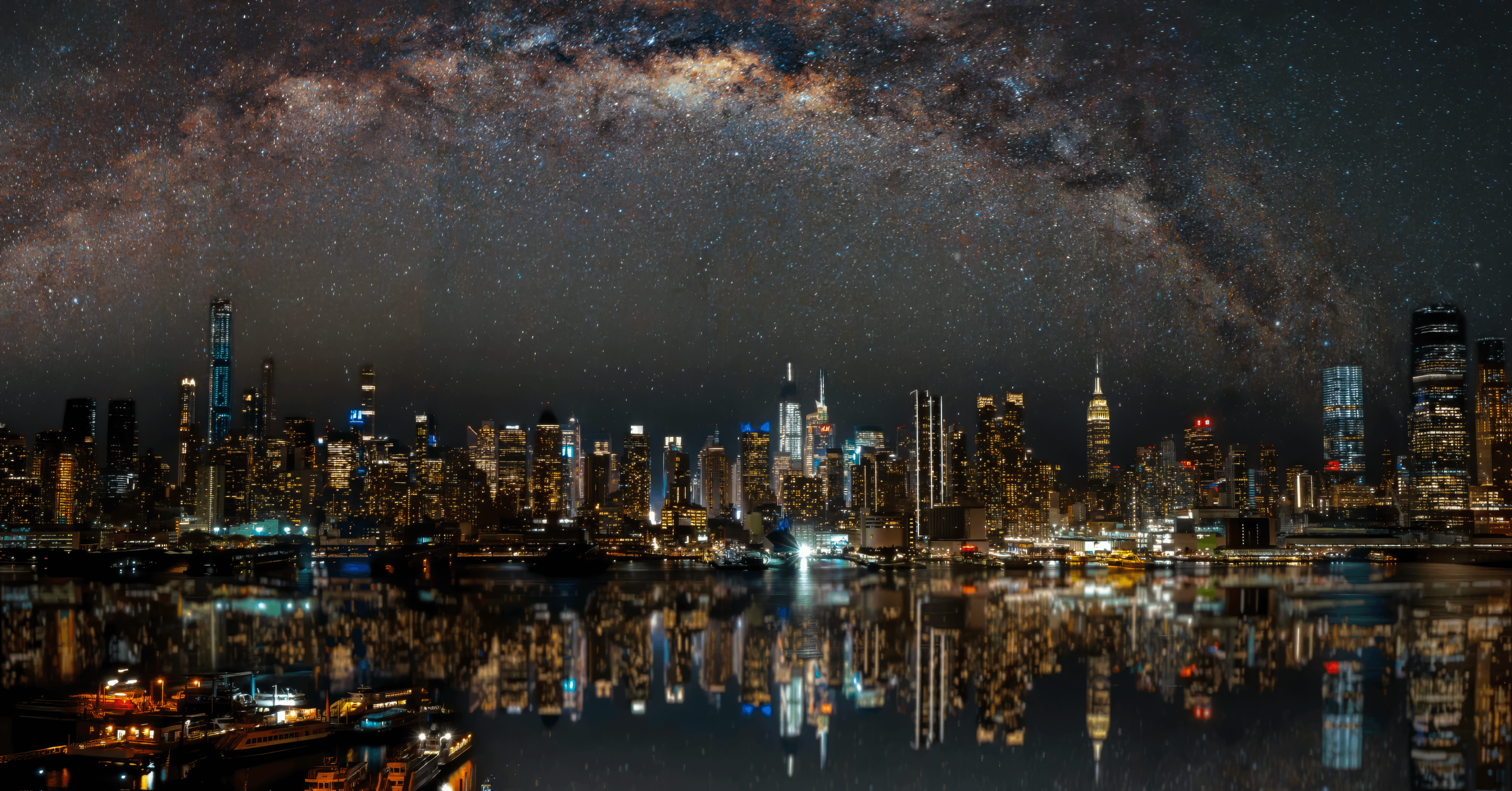
(Featured image: Photo of Milky Way above New York City. by Piccinng via Pexels )
Photographers capturing stars, the Milky Way or auroras often face one persistent challenge: light pollution. As cities grow brighter, camera lens filters have become an increasingly essential tool for night sky photography. This guide explains what these filters do, how they work, and which ones are the most effective for DSLR and mirrorless users in 2025.
Light pollution filters for DSLR or mirrorless cameras are threaded filters that attach to the front of a lens. Similar to UV or neutral density filters, they reduce specific wavelengths of light associated with urban lighting. The result is a darker, more contrast-rich sky and more accurate color balance in night exposures.
These filters are available in common thread sizes such as 67mm, 77mm or 82mm and are designed to work with standard camera lenses rather than telescopes.
Light pollution filters reduce the effects of city glow by selectively blocking wavelengths typically emitted by sodium vapor, mercury vapor and low-quality white LEDs. These types of lighting commonly appear as yellow or orange color casts in night sky photos.
Most filters use neodymium glass or advanced multi-coating layers to cut these specific frequencies without significantly altering starlight or natural elements in the frame. The result is a cleaner image, particularly when photographing the Milky Way or deep-sky features from urban or suburban areas.
Filters are not a replacement for rural shooting locations, but they can significantly reduce the impact of local lighting.
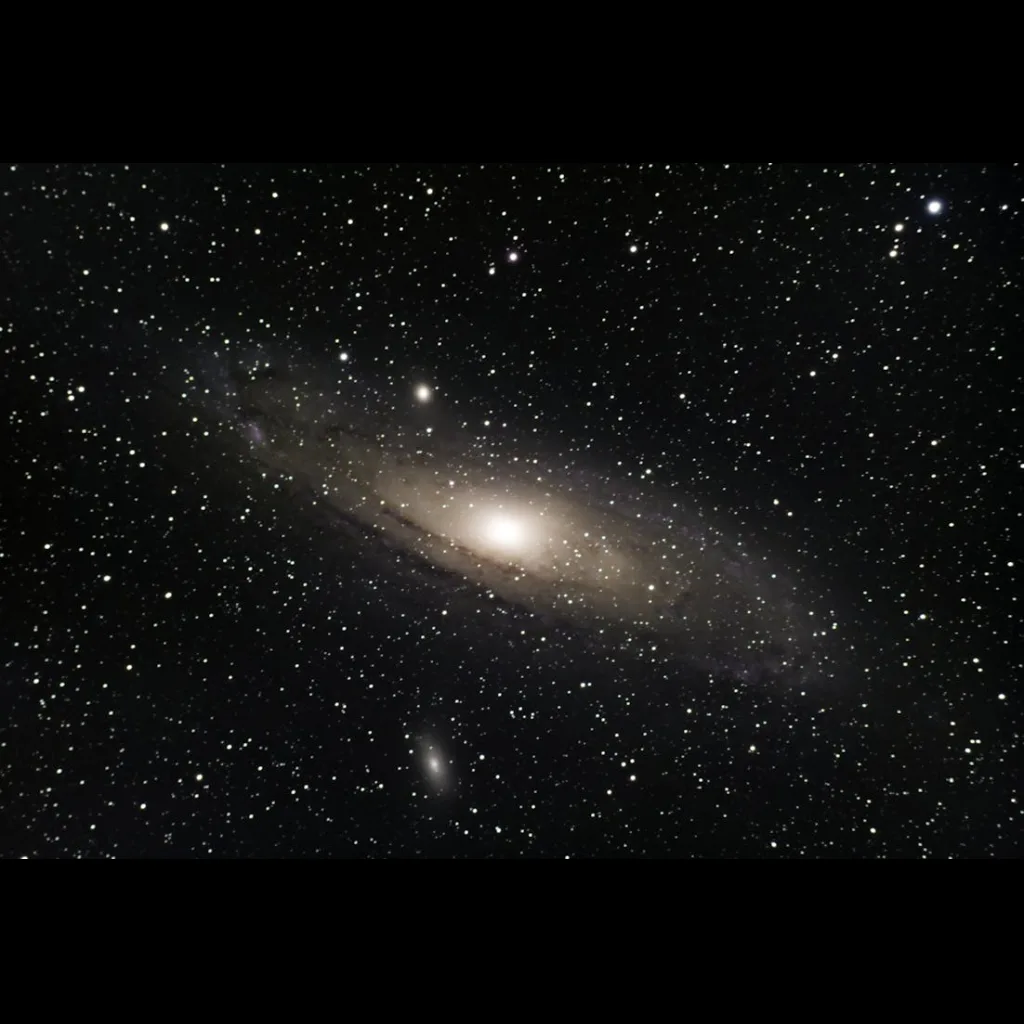
( Photo of Andromeda Galaxy with Andromeda’s satellite galaxies, Messier 110, 32 in view. Photo by Jeremy Müller via Pexels )
After evaluating performance, availability, lens compatibility and customer feedback, the following filters stand out as the top choices this year. All are available on Amazon and designed specifically for use with DSLR and mirrorless lenses.
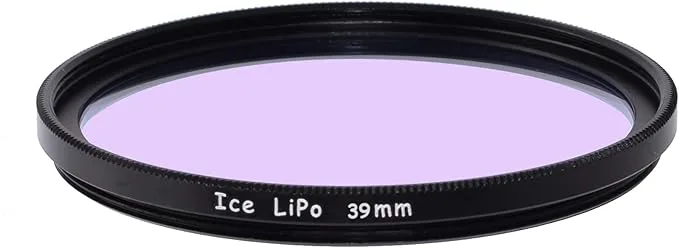
The ICE LiPo filter is one of the most affordable options currently available. It features multi-coated optical glass and a slim ring design to reduce vignetting on wide-angle lenses. While it is not as color-accurate as high-end models, it performs well for basic Milky Way or time-lapse photography in suburban skies.
( Photo via Amazon )
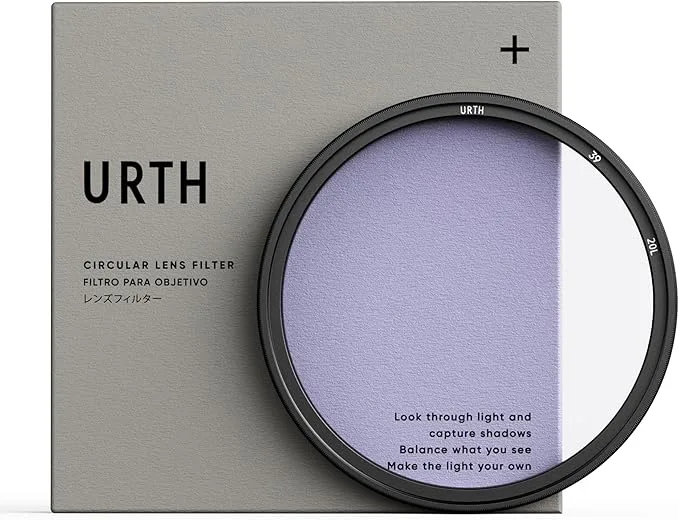
Urths’s reduction filter is one of the best built filters for photographers who shoot from cities or under moderate light pollution. Its 20-layer nano-coated neodymium glass reduces sodium light without cutting into starlight, making it ideal for full-frame cameras and fast lenses. The filter also comes in sizes ranging from 49mm to 95mm.
( Photo via Amazon )
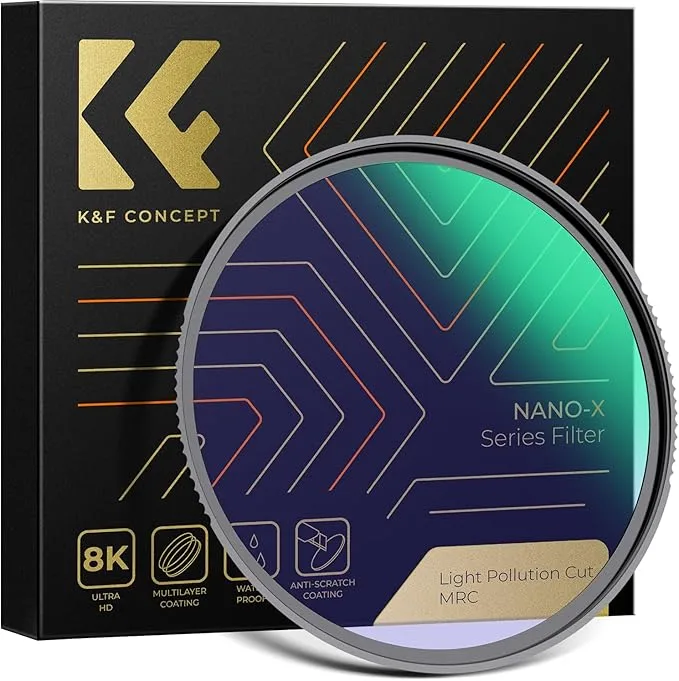
K&F Concept’s Neutral Night Filter offers extra quality at a low price, offering excellent results with minimal color shift. Its coatings are designed to resist moisture and oil, and it delivers excellent clarity in RAW images. The filter effectively removes yellow-orange glow without degrading color or sharpness.
( Photo via Amazon )
| Filter | Price | Best For | Thread Sizes |
|---|---|---|---|
| ICE LiPo | From $59.37 | Entry-level and hobbyist use | 52mm to 112mm |
| Urth | From $69.00 | High-end urban astrophotography | 39mm to 95mm |
| K&F Concept | From $60.90 | Best all-around performance | 49mm to 82mm |
Light pollution filters are not miracle solutions, but they are highly effective for DSLR users who want to improve their night sky images without traveling to a dark sky reserve. They reduce unwanted glare, restore contrast, and simplify editing workflows.

Disclosure: Some links may be affiliate links, which help support our ad-free blog at no additional cost to you.